School Staff Peer Support
Imagine the Difference
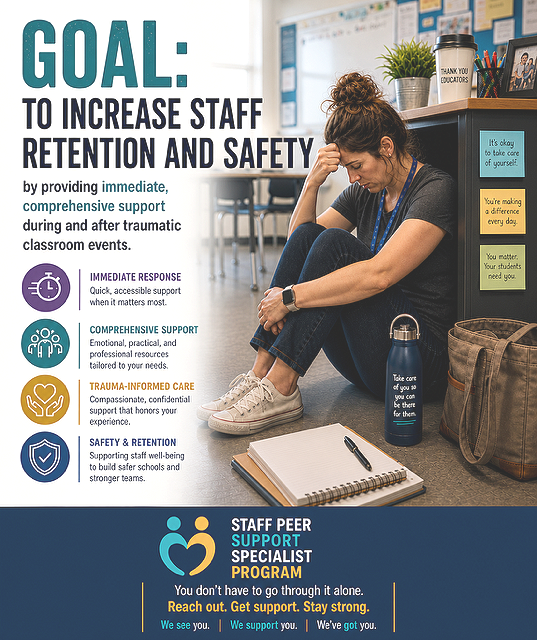
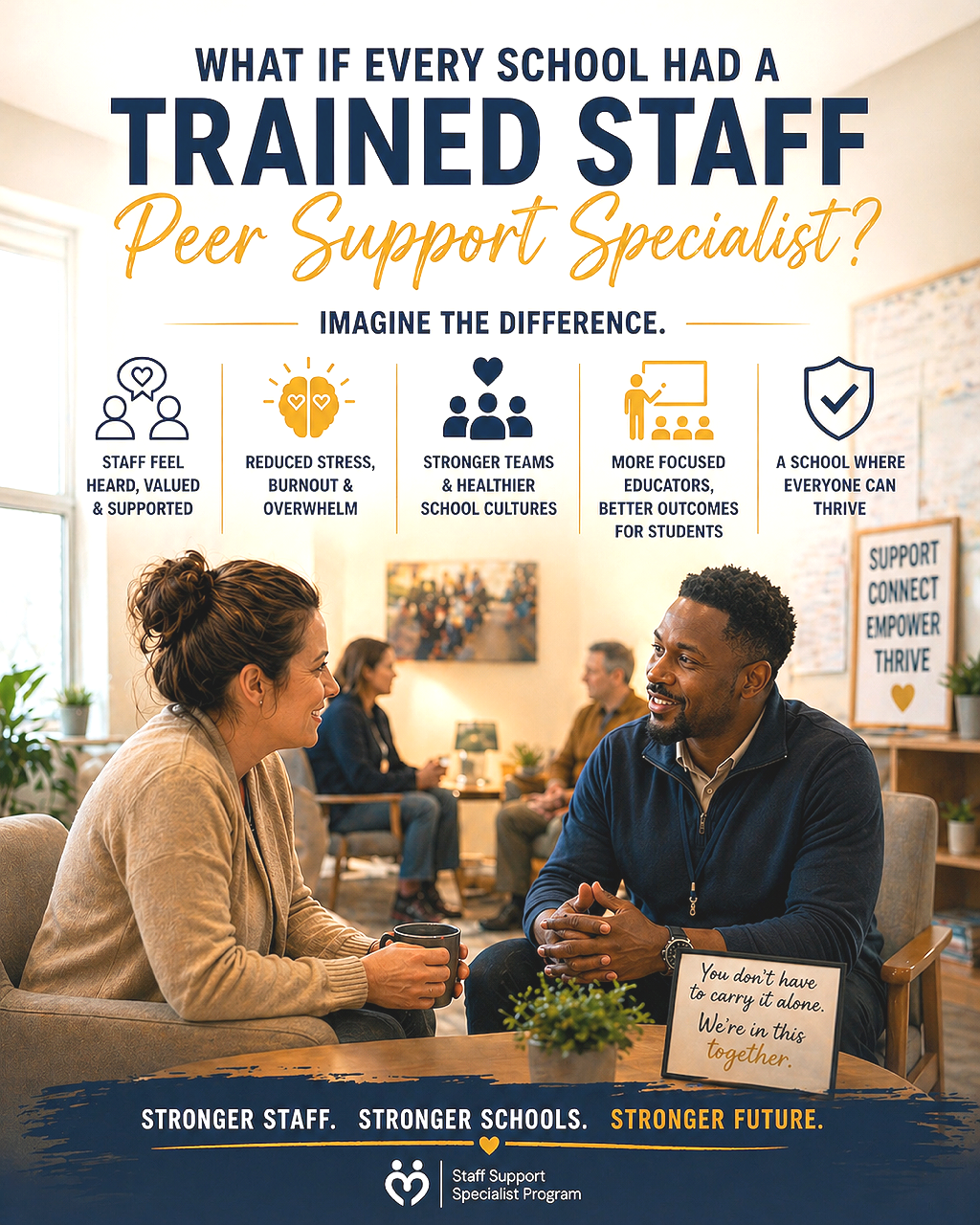
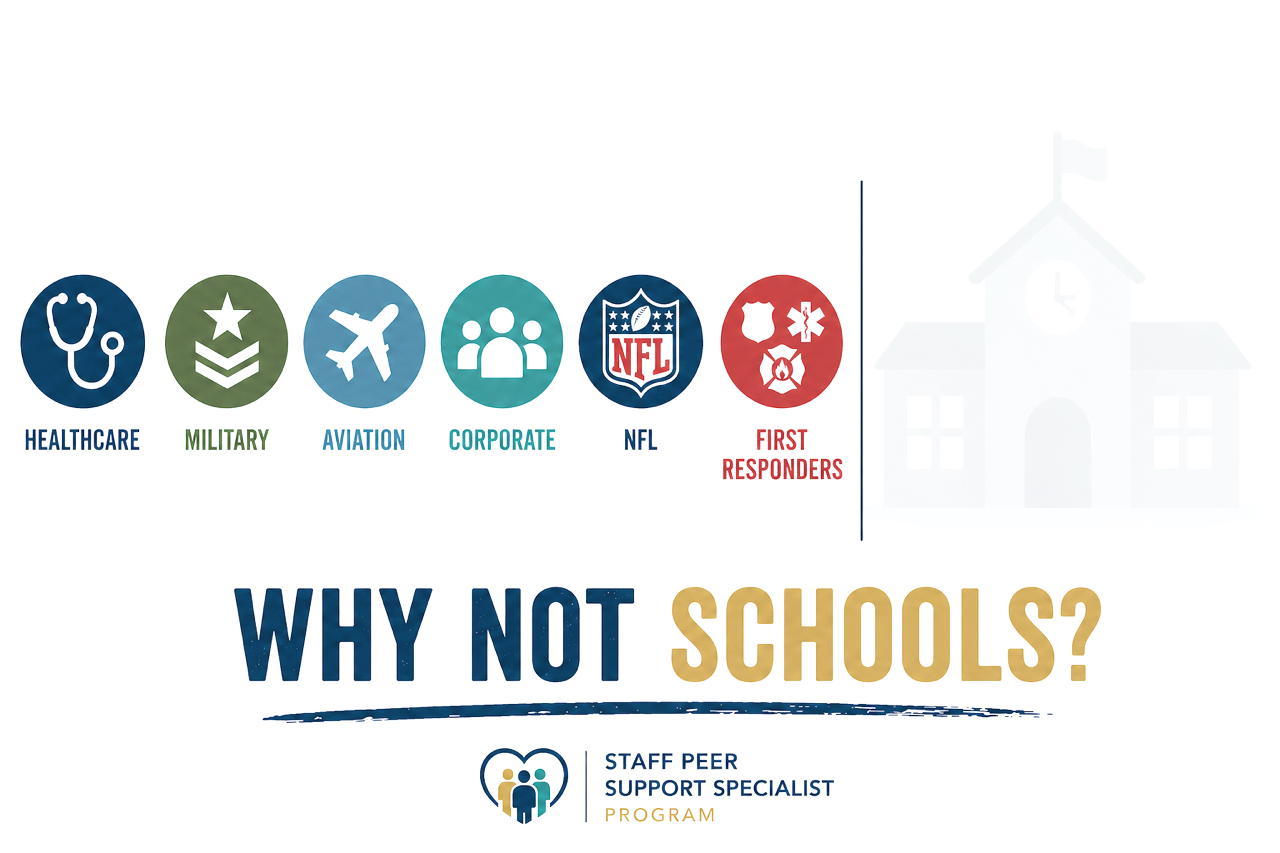
What if every school had trained staff dedicated to supporting educators' well-being?
Schools ask incredible things of the people who work in them. Every day, teachers and school staff manage academic demands, challenging behaviors, emotional crises, and the countless responsibilities that often go unseen. While supporting students remains the heart of education, the well-being of educators is just as essential to a thriving school community.
The purpose of this site is to raise awareness about educator mental health, share practical resources, and advocate for the idea that every school should have a trained Staff Peer Support Specialist—people who help colleagues navigate difficult moments, recover after crises, and connect with support before stress becomes burnout.
The information throughout this site is intended to educate, encourage reflection, and start meaningful conversations. Whether you’re an educator, school leader, family member, or community member, the hope is that these resources help deepen the understanding of the challenges many school employees face and the importance of creating cultures where people feel seen, supported, and valued.
Because when we invest in the well-being of educators, we strengthen schools for everyone.
Care. Support. Connect.
What Would a Staff Peer Support Specialist Do?
A School Staff Peer Support Specialist is a trained school professional whose primary focus is supporting the well-being of the adults who support students every day.
School staff often experience emotionally demanding situations—from classroom crises and student trauma to ongoing stress, compassion fatigue, and burnout. While educators are highly skilled at caring for others, they don’t always recognize their need for support from someone else.
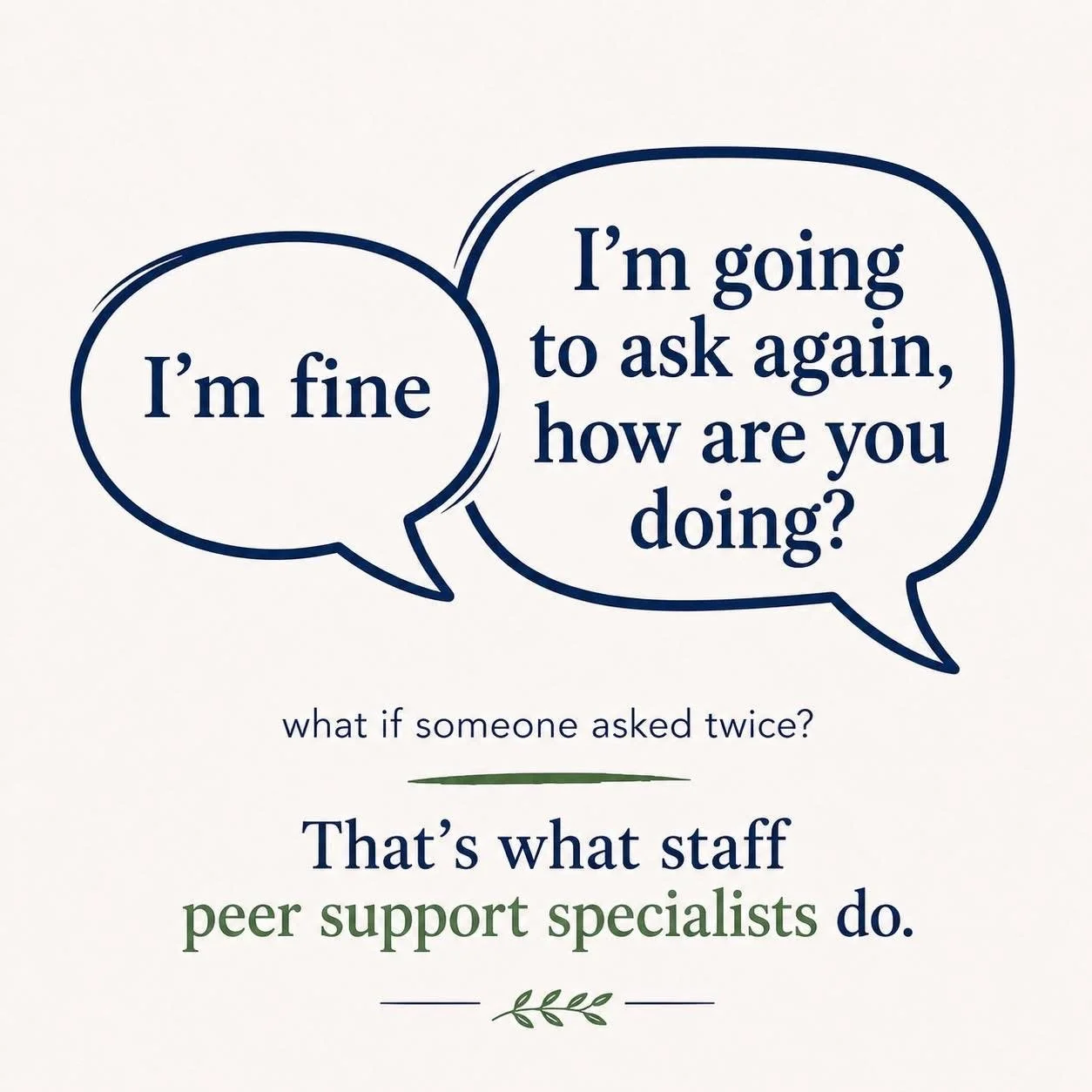
A Staff Peer Support Specialist helps bridge the gap by providing immediate emotional support, fostering peer connection, and ensuring staff know they are not facing challenges alone.
What They Are Not
A School Staff Peer Support Specialist is not a therapist, administrator, evaluator, or disciplinarian.
Their role is to provide compassionate peer support, encourage well-being, recognize when additional help may be needed, and connect staff with appropriate resources when necessary.
Why It Matters
Research continues to show that educator well-being directly influences school culture, staff retention, and the overall learning environment. When educators feel supported, they are better equipped to navigate challenges, remain engaged in their work, and continue making a positive impact on students.
Creating a culture where staff know someone will check in, listen without judgment, and help connect them with support isn’t simply a wellness initiative—it’s an investment in the people who make schools possible.
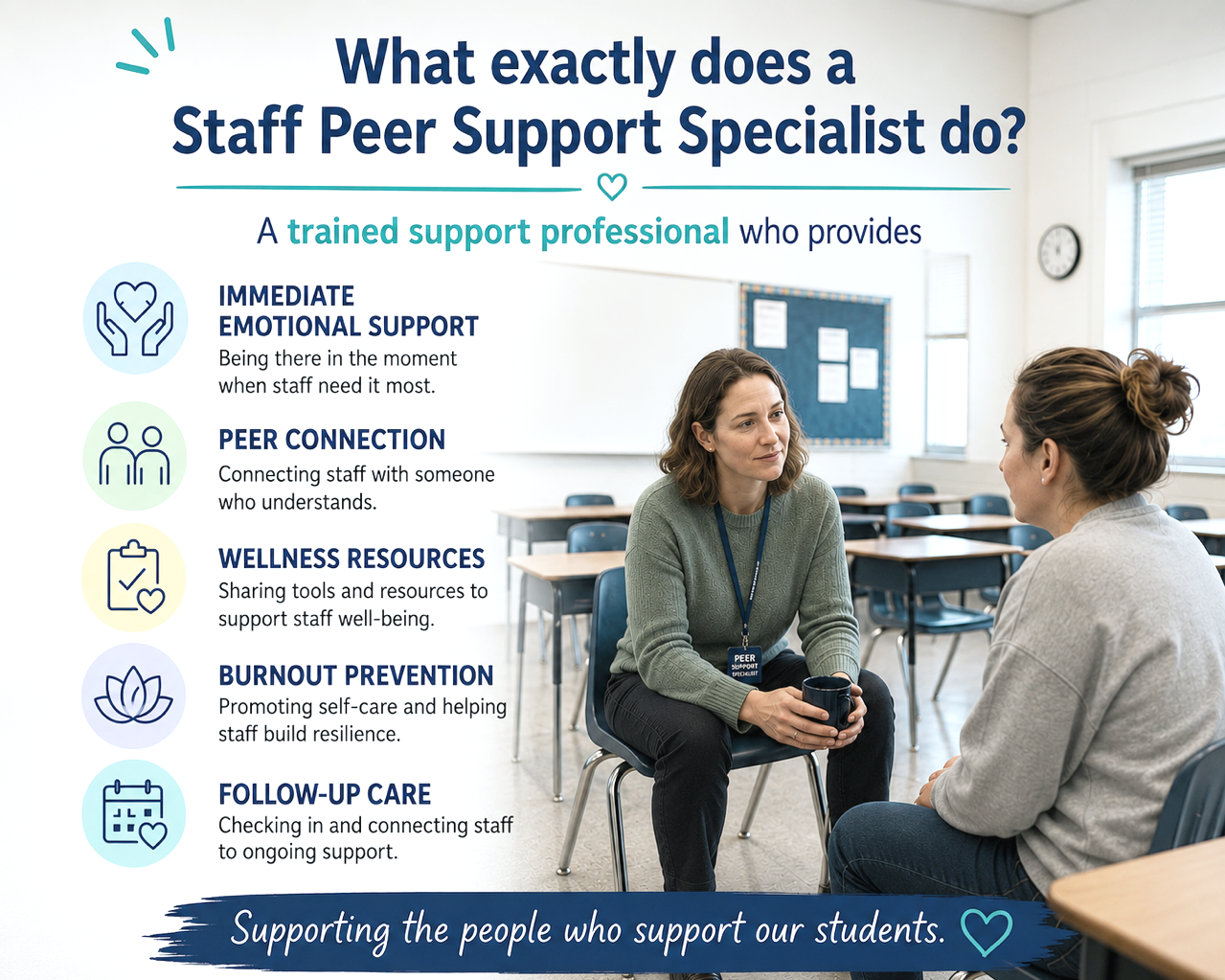
A Staff Peer Support Specialist may:
Provide immediate emotional Support following stressful or traumatic incidents
Offer a confidential space for staff to process difficult situations
Check in with employees after classroom crises or other challenging events
Connect staff with wellness resources, Employee Assistance Programs (EAPs), and other available supports
Promote healthy coping strategies and burnout prevention
Facilitate peer support conversations or support groups
Follow up over time, recognizing that recovery doesn’t always happen in a single conversation
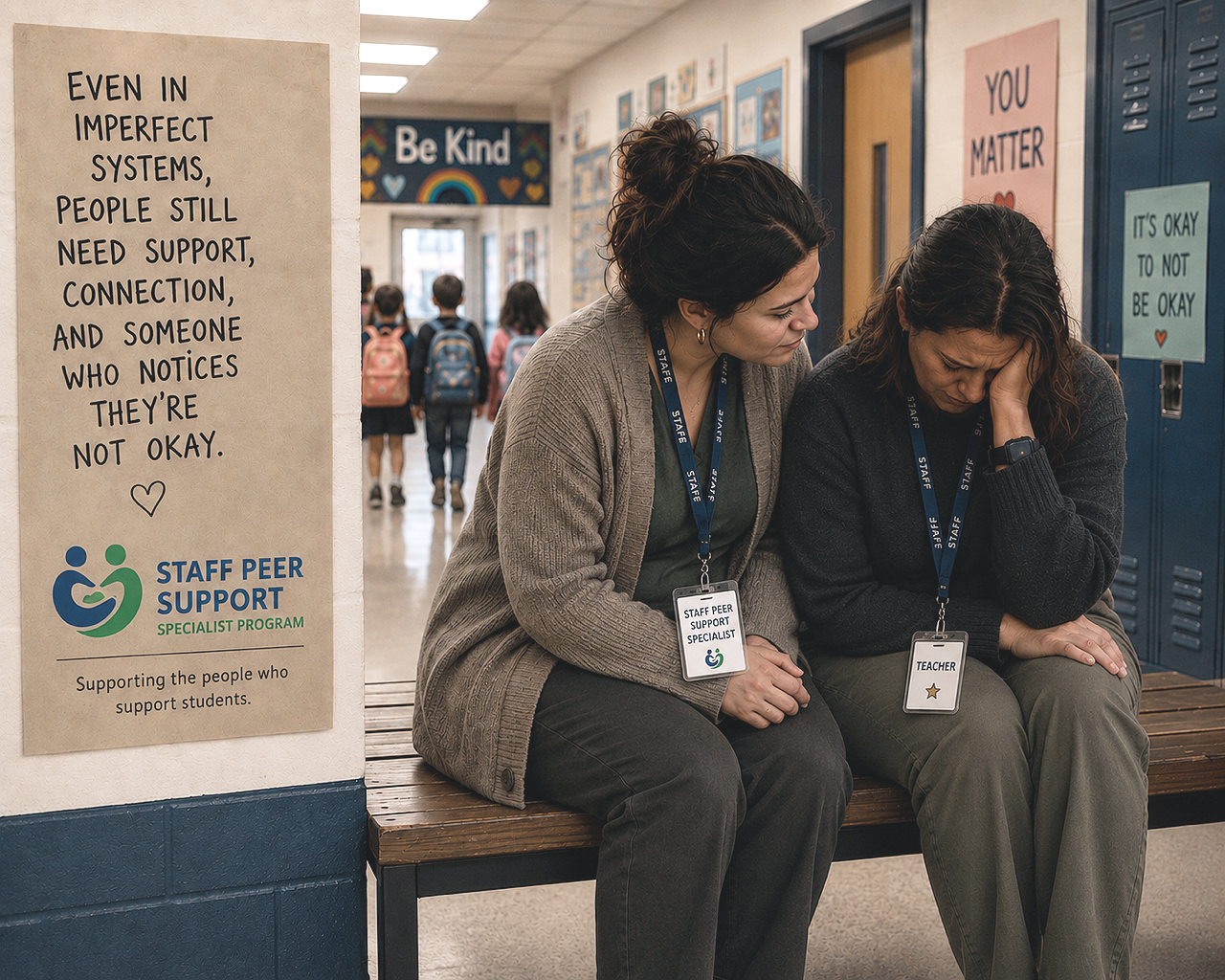
Real People, Real Impact.
Difficult incidents are often over long before the emotional impact has passed.
Whether it’s a classroom crisis, student aggression, a medical emergency, a traumatic event, or another high-stress situation, educators are frequently expected to move on quickly and return to their responsibilities. While schools often have procedures for responding to the incident itself, staff members may receive little support for processing what they experienced.
A School Staff Peer Support Specialist helps bridge that gap.
After a difficult incident, the Staff Peer Support Specialist reaches out to the staff members who were directly or indirectly impacted. Their role is not to investigate the event or evaluate job performance. Instead, they provide a confidential, supportive space where educators can talk through their experiences, feel heard, and begin to process what happened.
One of the most important aspects of peer support is follow-up. After a crisis, attention often shifts back to daily routines, but the people involved may still be carrying the emotional weight of what happened. A simple conversation days later can remind someone they haven’t been forgotten.
The goal is not to erase difficult experiences—it is to ensure that no educator has to carry them alone.
When staff members feel supported, they are more likely to recover, remain connected to their colleagues, and continue serving students with confidence and compassion. Supporting educators after difficult incidents is not only an investment in their well-being —it strengthens the entire school community.
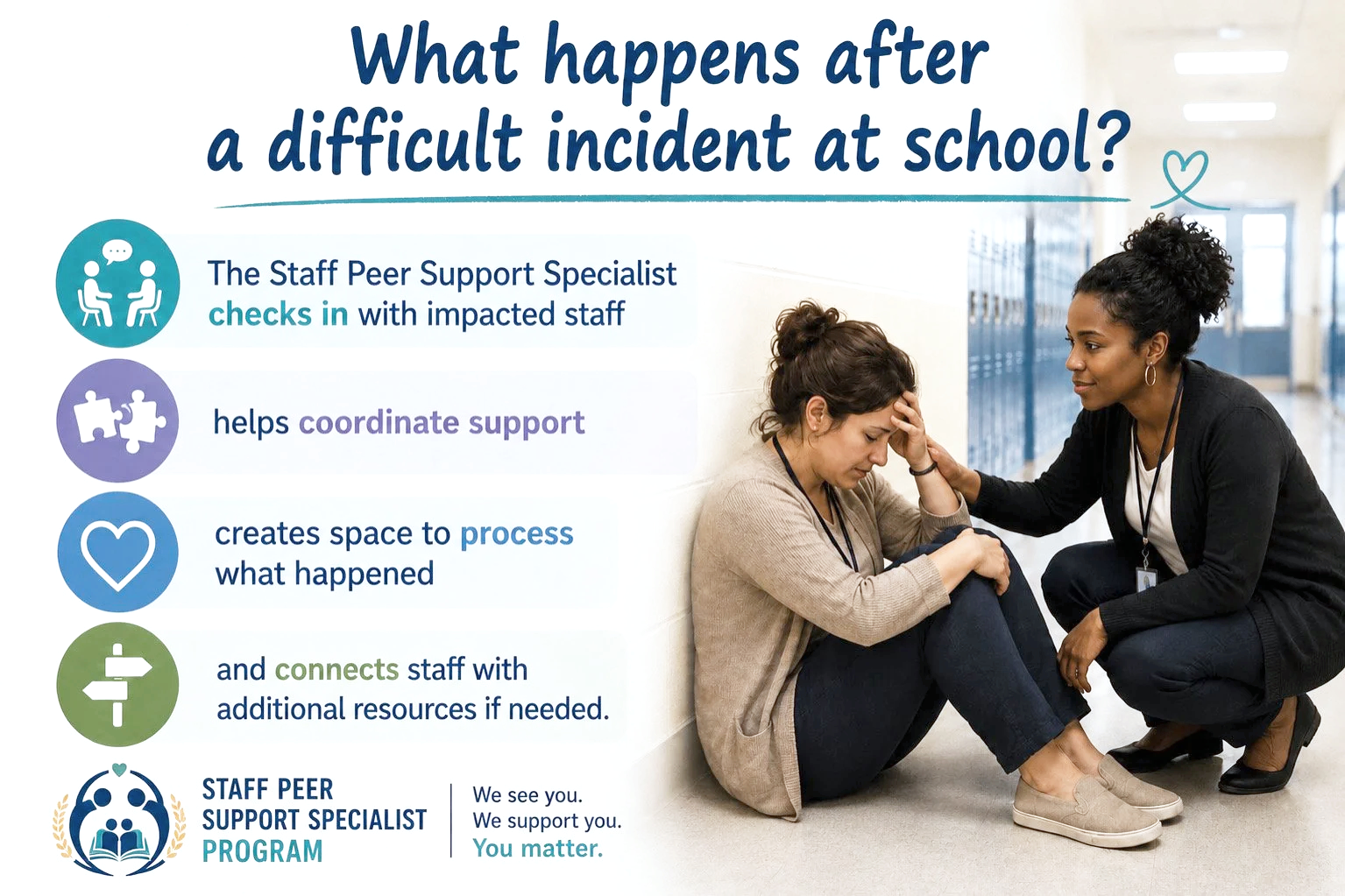
Support may include:
checking in with affected staff shortly after the incident
offering a calm, non-judgemental space to talk
helping coordinate immediate support with school leadership when appropriate
identifying practical needs, such as time to decompress or assistance returning to work
Following up in the days and weeks after the event, recognizing that difficult experiences don’t always affect people immediately
connecting staff with additional resources, such as an Employee Assistance Program (EAP), mental health professionals, or community supports when needed.
Stronger Together. Stronger Futures.
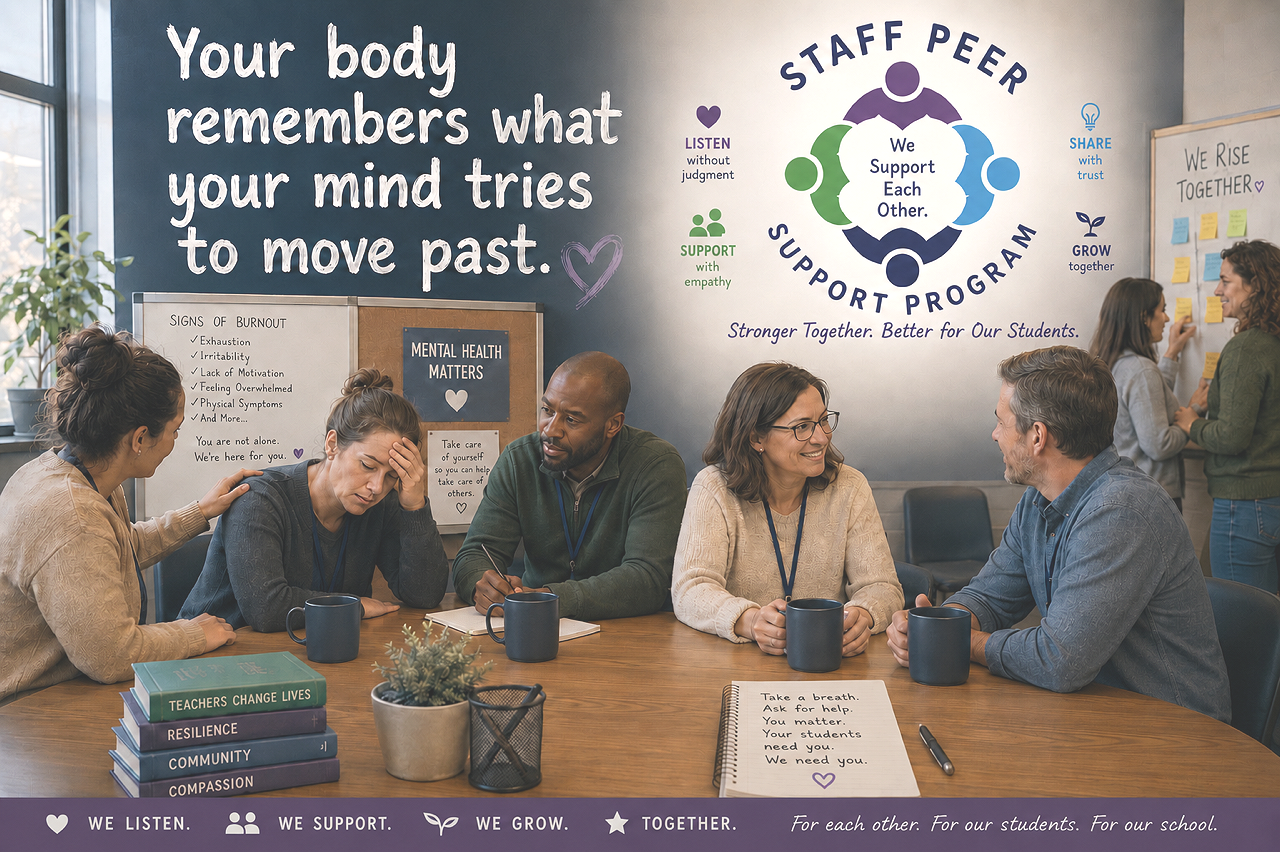
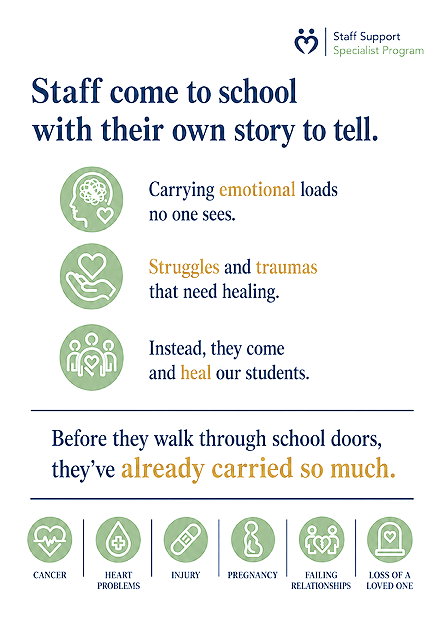
Working in education can be incredibly rewarding, but it can also be emotionally demanding. Classroom crises, challenging student behaviors, heavy workloads, and the constant responsibility of caring for others can leave educators feeling isolated and overwhelmed. Too often, staff carry these experiences alone.
Peer Circles provide a safe, supportive space where school staff can connect with colleagues who understand the unique challenges of working in education. These gatherings are not therapy sessions or performance evaluations. Instead, they are opportunities to share experiences, listen without judgment, learn practical wellness strategies, and remind one another that no one has to navigate difficult moments alone.
Research consistently shows that feeling connected at work contributes to greater resilience, improved well-being, and a stronger sense of belonging. When educators know they have colleagues who genuinely care, they are more likely to seek support early, recover from difficult experiences, and continue doing the work they love.
Within the School Staff Support Specialist Program, Peer Circles are one way of building a healthier school culture. By creating intentional opportunities for staff to connect, schools send a powerful message: the well-being of educators matters.
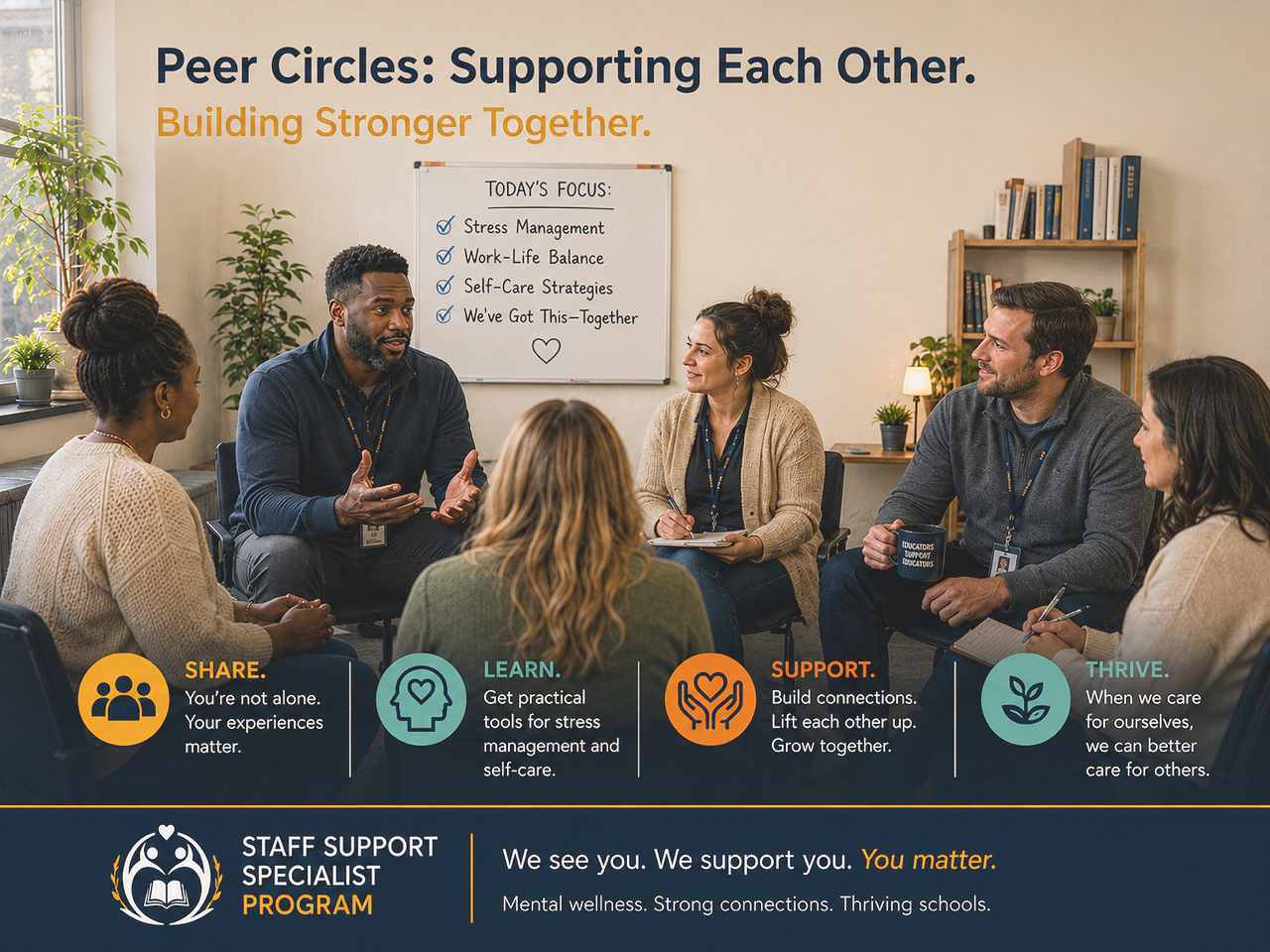
A Peer Circle may include conversations about managing stress, preventing burnout, maintaining healthy boundaries, returning to work after a difficult incident, or simply checking in with one another. Every participant is encouraged to contribute at their own comfort level—whether that means sharing their story, listening quietly, or offering support to a coworker.
Let’s create something meaningful together.
follow
@school_staff_support_project
@staffpeersupportspecialist